



Supply Chain Operations
We build control towers aggregating fleet, warehouse, and carrier data providing end-to-end visibility across your network.
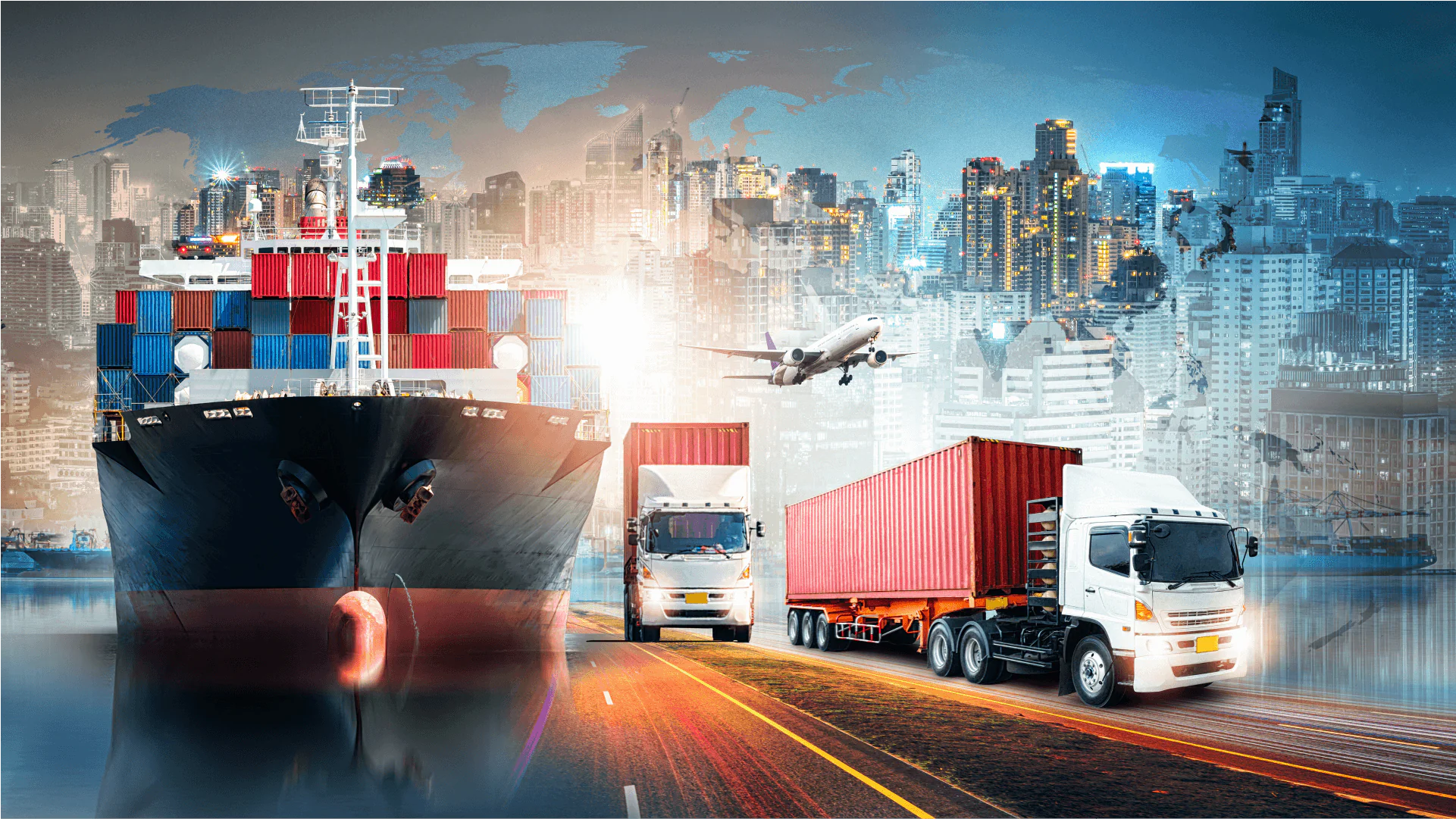
Logistics and transport companies operate with thin margins, complex planning, and constant time pressure. Rising fuel costs, regulatory requirements, and increasing customer expectations make efficiency and visibility essential. Reliable data and optimized planning are critical to reduce empty miles, improve delivery performance, and keep operations profitable.
WHAT'S BROKEN?
of logistics providers miss real-time tracking across fleets.
from manual tracking, inefficient routing, and communication gaps.
believe current transportation systems don't meet their needs.
of customer complaints stem from poor delay communication.
OUR APPROACH
We work with Dutch logistics providers to gain real-time control over complex operations. From route optimization to predictive maintenance, we build systems that reduce costs, improve on-time delivery, and enhance customer communication.
Assessing your current logistics systems to identify visibility gaps and automation opportunities.
Building control towers that aggregate data from TMS, WMS, telematics, and carrier systems.
Implementing AI-powered route optimization accounting for traffic, weather, and delivery windows.
Designing predictive maintenance models for your fleet reducing breakdowns and repair costs.
OUR SOLUTIONS
We build control towers aggregating fleet, warehouse, and carrier data providing end-to-end visibility across your network.
We implement route optimization, predictive maintenance, and automated scheduling reducing fuel costs and delivery delays.
We design performance dashboards tracking KPIs across operations enabling data-driven decisions about capacity and pricing.
We automate emissions tracking, driver compliance, and regulatory reporting meeting transport sustainability requirements.
APPLICATION AREAS
AI-powered routing considering traffic, delivery windows, and vehicle capacity reducing fuel costs and improving on-time rates.
Automated inventory tracking, picking optimization, and dock scheduling reducing manual errors and increasing throughput.
Predictive models anticipating volume fluctuations enabling proactive capacity adjustments and resource allocation.
Centralized dashboards aggregating fleet, warehouse, and carrier data enabling proactive intervention and customer updates.
Proven Impacts
Route optimization minimizes distance and idle time across fleets.
Real-time visibility enables proactive intervention before delays.
Predictive models prevent breakdowns and extend vehicle lifespan.
Optimized routing and load planning lower your carbon footprint.
Dutch financial institutions ask similar questions about modernizing operations while maintaining security and compliance. Here's what you need to know about building intelligent capabilities.
Yes. We design solutions that connect to existing logistics systems including SAP TM, Oracle SCM, Manhattan WMS, and telematics platforms through APIs and EDI integrations. Most implementations create a visibility layer on top of your current systems rather than requiring wholesale replacement. This preserves your operational workflows while adding real-time tracking, predictive analytics, and automated reporting capabilities.
We build algorithms that consider multiple factors: delivery windows, traffic patterns, vehicle capacity, driver hours, and fuel efficiency. These systems find optimal routes that minimize total distance and time while meeting service commitments. Industry research shows 15-25% fuel savings and 20-30% on-time delivery improvement are achievable. The key is continuous optimization—routes adjust dynamically as conditions change rather than using static planning. Implementation typically shows measurable savings within 4-8 weeks.
Basic requirements include: telematics or GPS tracking on vehicles, access to your TMS/WMS data, and carrier integration capabilities. We often start with high-impact areas: control towers for critical lanes, predictive maintenance for expensive assets, or customer communication automation. These focused approaches deliver measurable results within 6-10 weeks and expand as you see value. You don’t need full digitization to benefit from targeted visibility improvements.
Industry benchmarks suggest 4-8 month payback periods for logistics optimization implementations. Typical value sources include: 15-25% fuel reduction (€300K average savings), 30-40% lower maintenance costs through predictive models, 20-30% on-time delivery improvement (reducing penalties and improving customer retention), and 25-35% emissions reduction (meeting sustainability requirements). Actual results depend on your current efficiency baseline, fleet size, and operational complexity.