



Business Intelligence & Analytics
We design OEE dashboards, production analytics, and quality tracking systems connecting your ERP, MES, and SCADA data sources.
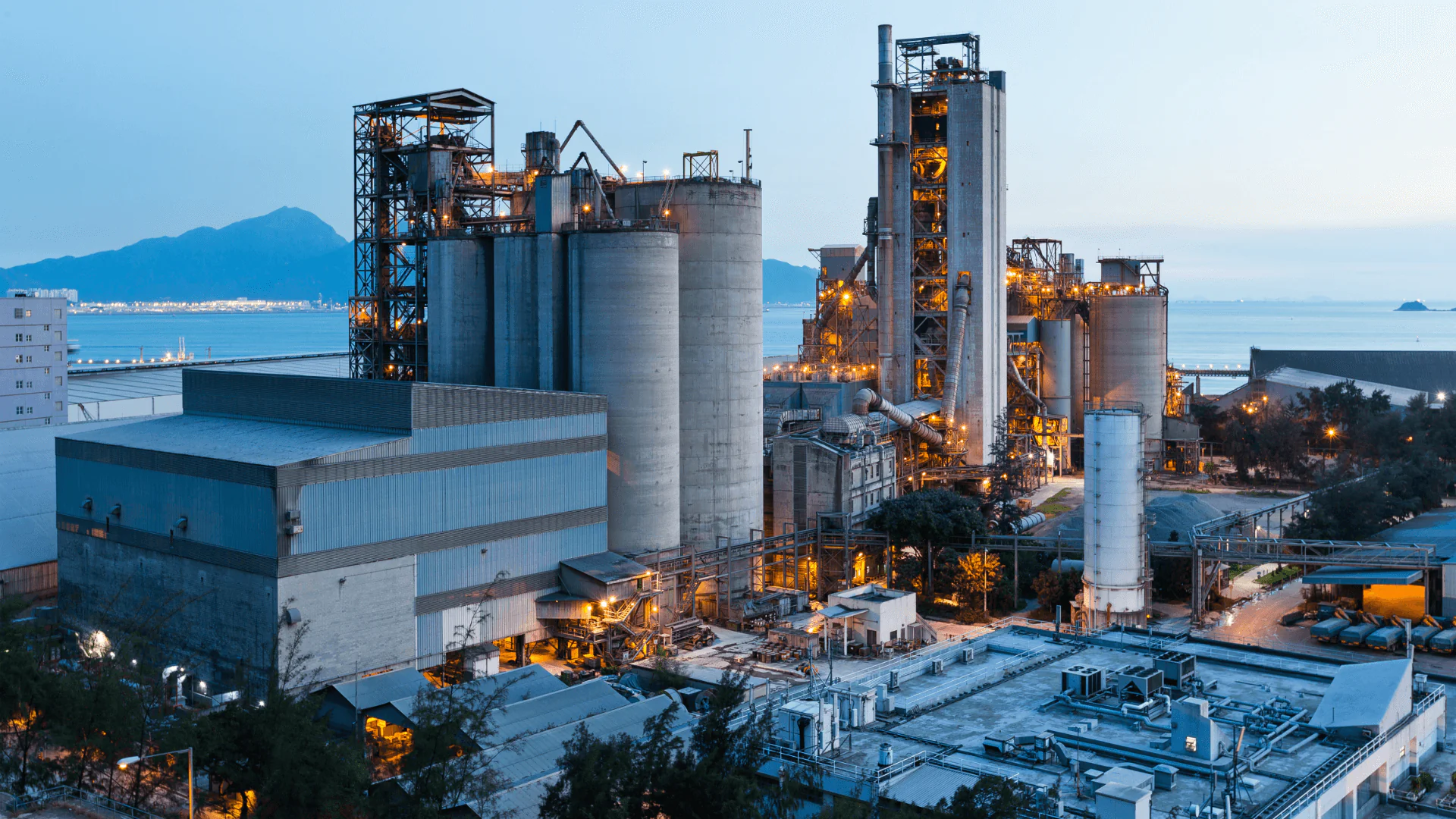
Manufacturing and industrial companies operate in complex, process-driven environments where efficiency, quality, and planning directly impact margins. With increasing pressure on supply chains, energy costs, and production performance, reliable data and optimized processes are essential to maintain control and stay competitive.
WHAT'S BROKEN?
lost to unplanned downtime across Dutch manufacturing sector.
Dutch manufacturers lag in smart factory implementation.
still rely on run-to-failure instead of predictive models.
far below 85% world-class benchmark for production efficiency.
OUR APPROACH
We work with Dutch manufacturers to design intelligent production systems that prevent downtime and optimize output. From sensor data to actionable insights, we build analytics and AI solutions calibrated to your specific equipment and processes.
Assessing your current production systems to identify high-impact automation and analytics opportunities.
Designing predictive models trained on your equipment sensor data, maintenance logs, and failure patterns.
Building real-time quality systems using computer vision and statistical process control tailored to your products.
Implementing energy analytics that track consumption by machine, shift, and product for CSRD compliance.
OUR SOLUTIONS
We design OEE dashboards, production analytics, and quality tracking systems connecting your ERP, MES, and SCADA data sources.
We build predictive maintenance models, computer vision quality inspection, and process optimization trained on your equipment.
We implement demand forecasting, production planning, and inventory optimization reducing stockouts and material waste.
We automate CSRD Scope 1-3 emissions tracking, energy management, and sustainability reporting for manufacturing operations.
APPLICATION AREAS
Real-time monitoring of availability, performance, and quality across production lines identifying bottlenecks and waste sources.
AI models analyzing vibration, temperature, and performance data to predict equipment failures 2-4 weeks before breakdown.
Automated inspection systems using computer vision and sensors catching defects your manual processes miss consistently.
Track energy consumption by machine and process, optimize usage patterns, and automate Scope 1-3 emissions reporting.
Proven Impacts
Real-time analytics identify and eliminate production bottlenecks.
Predictive models prevent failures before they stop your lines.
Computer vision catches quality issues manual inspection misses.
Real-time monitoring optimizes consumption across your facilities.
Dutch financial institutions ask similar questions about modernizing operations while maintaining security and compliance. Here's what you need to know about building intelligent capabilities.
Yes. We design solutions that connect to existing manufacturing systems including SAP, Oracle ERP, Siemens MES, Rockwell FactoryTalk, and Wonderware platforms through standard APIs and OPC-UA protocols. Most implementations add analytics and AI layers on top of your current infrastructure rather than requiring system replacement. This preserves your operational investments while adding predictive capabilities and real-time visibility.
We build models trained on your specific equipment data: sensor readings (vibration, temperature, pressure), maintenance logs, and historical failure patterns. These systems establish normal operating baselines, then detect anomalies indicating degradation. Research shows 2-4 weeks advance warning is typical for mechanical failures. This allows scheduled maintenance during planned downtime rather than emergency repairs during production runs. Industry data suggests 30-40% downtime reduction is achievable with mature implementations.
Basic requirements include: equipment with sensors or SCADA connectivity, historical maintenance data (ideally 12+ months), and willingness to pilot on 1-2 critical assets. We often start with focused implementations: OEE dashboards for bottleneck lines, predictive maintenance for expensive equipment, or quality control for high-value products. These targeted approaches deliver measurable results within 3-6 months and expand as you see value.
Industry benchmarks suggest 6-12 month payback periods for comprehensive implementations. Typical value sources include: 30-40% downtime reduction (€2.8B sector-wide opportunity), 15-25% OEE improvement, 50-70% better defect detection, and 20-30% energy optimization. Actual results depend on your current OEE baseline, equipment complexity, and data quality. We recommend starting with pilot projects demonstrating ROI before scaling across facilities.